
My weekend column in The Baltimore Sun represents something that has become an annual ritual for me — visiting a Maryland river where fish from the ocean come to spawn. I know this spring ritual is as old as the sea, but I still am amazed at the phenomenon: Herring, shad and eels that swim countless miles — hundreds, maybe more than 1,000 miles — to procreate.
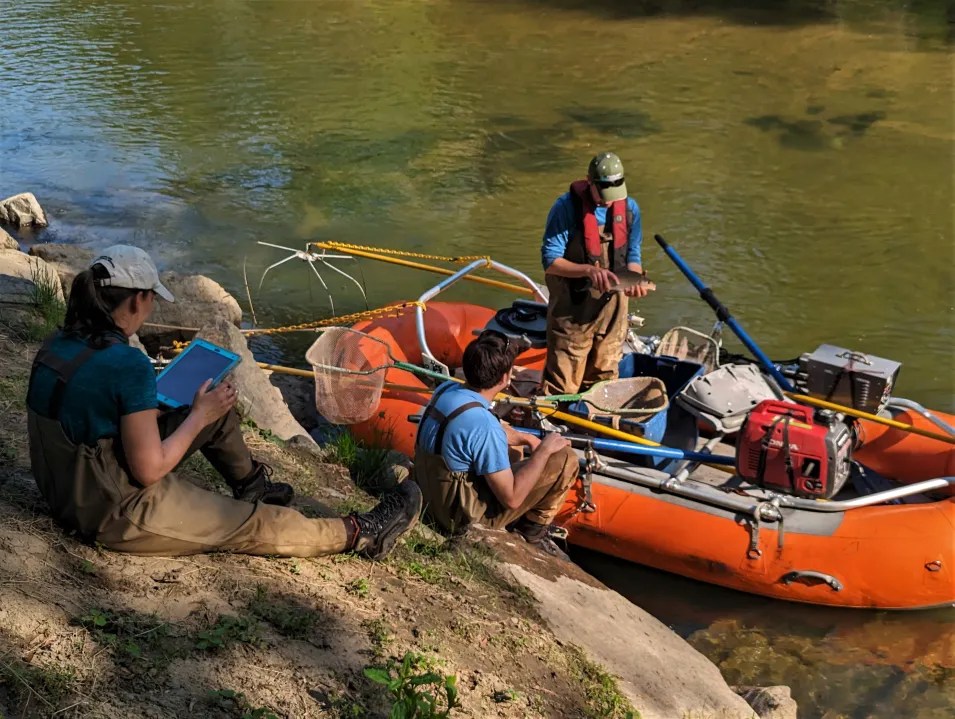
And so, as described in the column, I visited a crew of biologists from the Maryland Department of Natural Resources for one of their fish spring fish surveys in the Patapsco River, west and south of Baltimore, where the removal of dams has extended the migration of herring and shad. It’s a wonderful thing to behold, especially in light of the way climate change and commercial fish harvests work mightily against all natural phenomena.
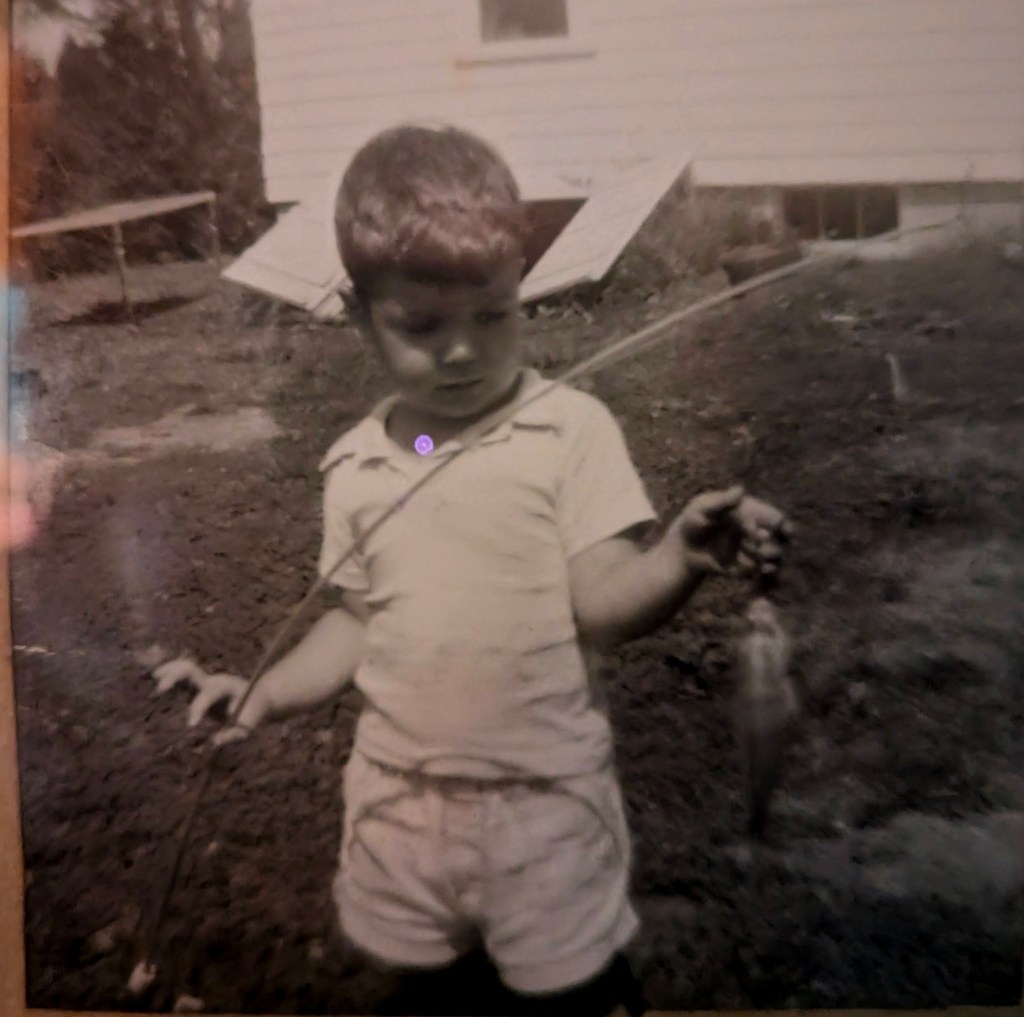
This is also personal for me: I have had a lifelong love of water and the creatures who live there. Starting at age six, I fished for sunfish in a little brook in Massachusetts, hornpout, sunfish and bass in a pond, migrating herring in a herring run, cod and haddock, conger eel and mackerel in the deep sea off the New England coast, flounder in the bays near Boston, flounder in the Cape Cod Canal, flounder off a bridge.
I went south and caught flounder off the Virginia coast, striped bass (also known as rockfish) near the Chesapeake Bay Bridge, the now-collapsed Key Bridge, and in the Little Choptank River, smallmouth bass in the Susquehanna River (Pennsylvania side), shad in the Susquehanna River (Maryland side), shad in two tributaries of the Susquehanna, smallmouth bass and rock bass in the Potomac River and the Delaware River, crappie and carp in three reservoirs, brown trout and rainbow trout in a dozen rivers in Pennsylvania, cutthroat trout in the Lamar Valley of Wyoming, rainbow trout in the Madison River of Montana and the Henry’s Fork of Idaho, brook trout in three ponds in New Hampshire, landlocked salmon and brown trout in the Androscoggin River (New Hampshire side), smallmouth bass in the Androscoggin River (Maine side), bluefish and speckled trout in the Chesapeake, hybrid rockfish in a Maryland farm pond, three kinds of trout in the rivers of western Maryland — the Casselman, the Savage, the Youghiogheny, the North Branch of the Potomac, Bear Creek, Muddy Creek, Lostland Run and Sideling Creek — and I’ve fished in the bass ponds of southern Maryland and the Salmon River in New York. I’ve caught crevalle jack on the Florida Gulf Coast and false albacore off Long Island. I’ve caught brown trout in the Battenkill in Vermont, and I once fished an exhausting and amazing three-day blitz of bluefish in the surf of the Outer Banks of North Carolina.
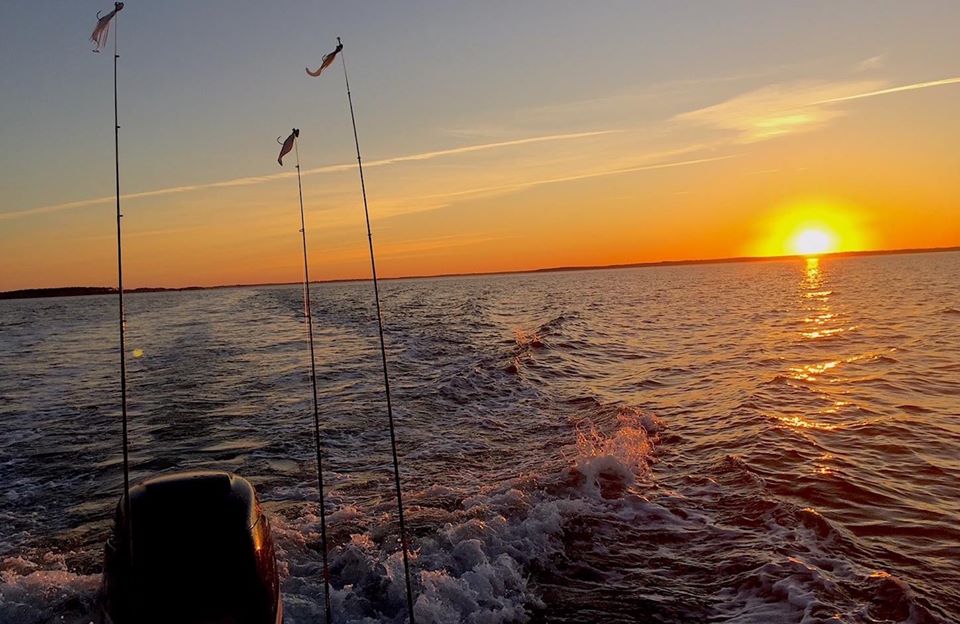
I have not killed a wild fish in a very long time. I think I took a rockfish home from the Little Choptank in the fall of 2019. That might have been the last.
As much as I enjoy fishing, I can be content to watch fish in the water — a feeding trout maybe, or a school of rockfish having a feast of Chesapeake Bay anchovies. But, best of all, I like to watch the visitors from the Atlantic — the herring and shad coming to their ancestral spawning beds in Deer Creek, the Octoraro and the Patapsco, liberated from dams.

Discover more from Dan Rodricks
Subscribe to get the latest posts sent to your email.

 Dan Rodricks