I have written about doing less fishing, this long-developing decision influenced by two things — climate change and conscience. My July 17 column bids farewell to Code Red summer fishing. My preference is to fly fish for trout. Trout need cold, clean water to thrive. They become stressed in high temperatures. To help them survive the wretched heat, I take the summer off from fishing. The state of Maryland has, by regulatory act, decided that everyone should take two weeks (July 16-July 31) off from targeting Chesapeake Bay rockfish for the same reason — the high air temperatures mean higher water temperatures. Fish need dissolved oxygen to live, and there’s less of that when water temperatures rise. “The new normal” is what retired fisheries biologist Ken Pavol calls this, writing from his home in western Maryland, where he guides for trout on the North Branch of the Potomac River.
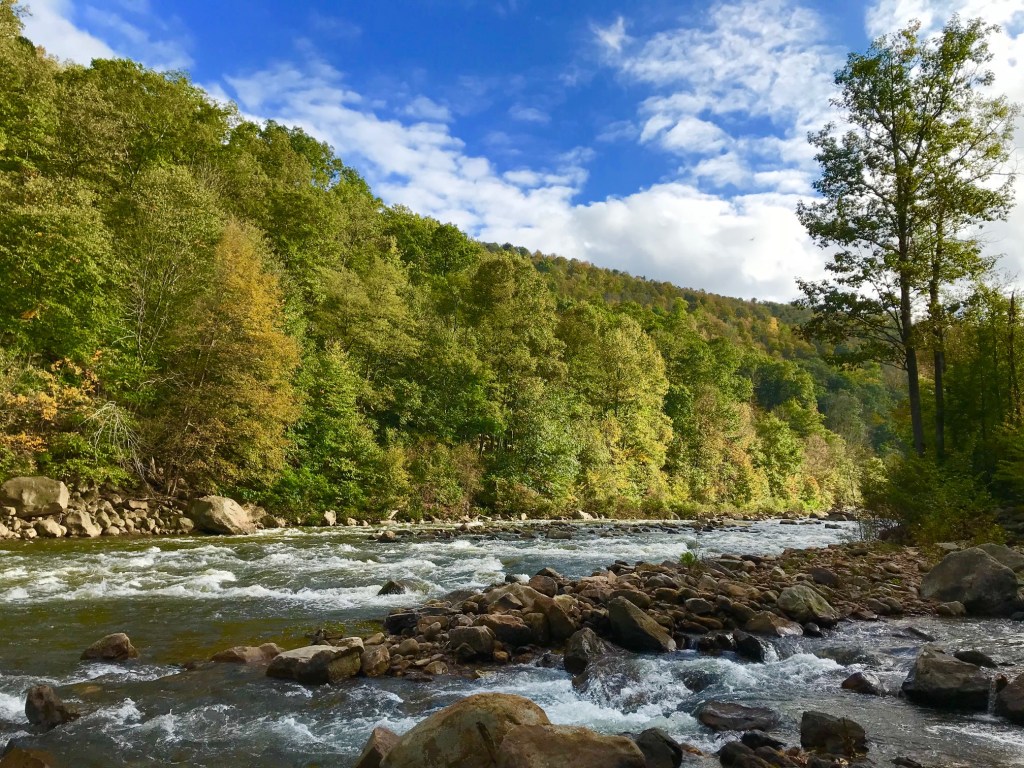
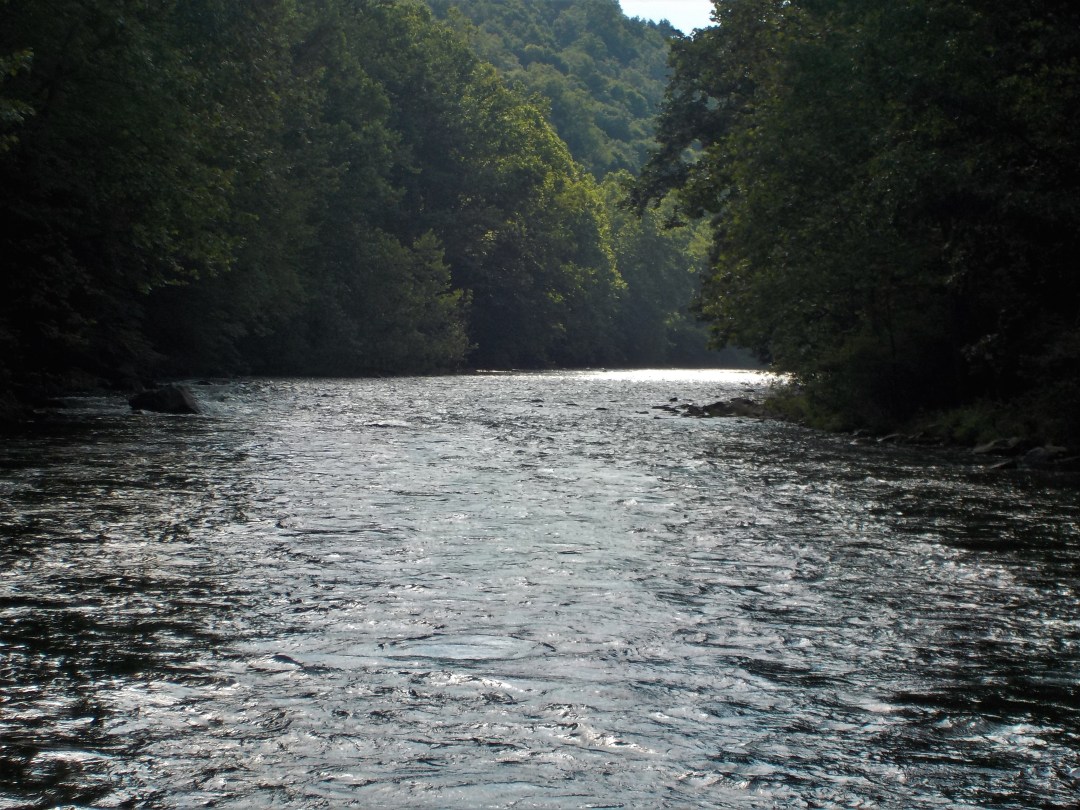
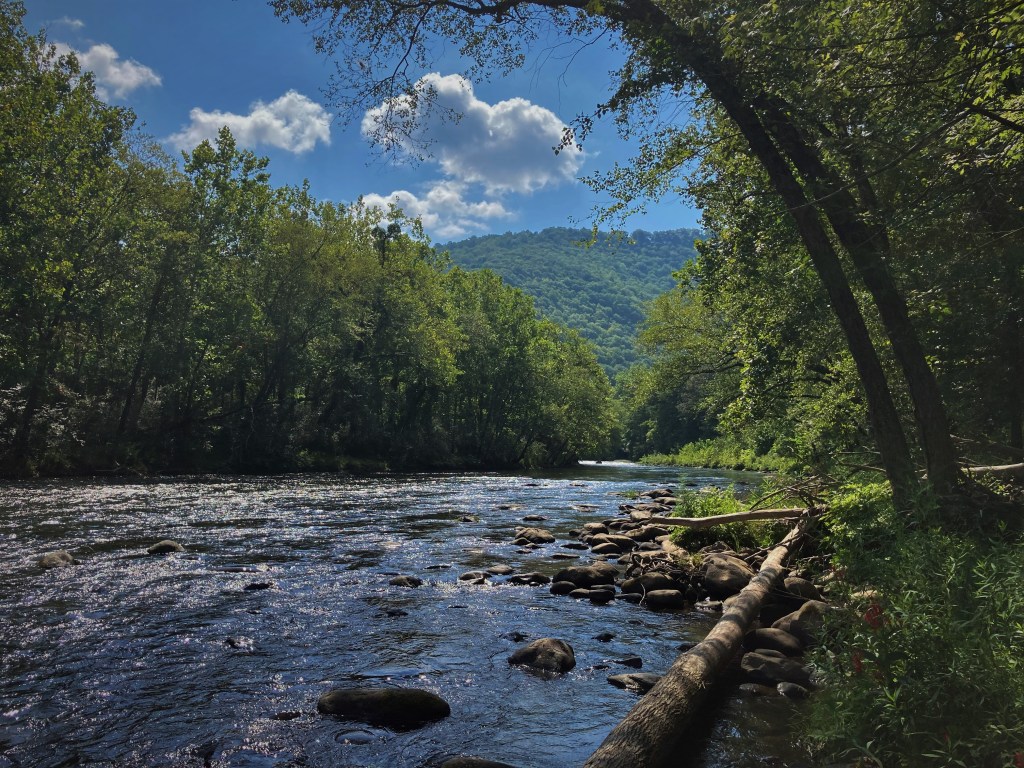
The North Branch is one of the state’s best tailwaters — many of its miles are filled with the coldwater release from an Army Corps of Engineers dam — and Pavol says he has never seen heat conditions as bad as this summer’s. As a result, he’s urged the Maryland Department of Natural Resources to consider declaring an emergency on the North Branch.
Here’s what he wrote to Trout Unlimited’s Mid-Atlantic Council, asking for the conservation organization’s help in that appeal:
“An advisory was posted on [the Maryland DNR] website urging anglers to refrain from fishing catch-and-release for trout under these very warm conditions. That’s a start but not adequate in my view. I’ve been urging the Maryland Fisheries Division to adopt Montana style ‘hoot owl’ angling restrictions for a number of years. It involves restricting angling to midnight to 2 pm on designated trout rivers. In some cases it involves a total closure until further notice. Maryland already restricts trout fishing in designated trout waters between 10 pm and 6 am.
“I’ve been float guiding on the North Branch since 2000 and I have not seen heat like we’re currently experiencing. Bloomington, where a 20-mile catch-and-release area begins on the North Branch, is experiencing 90 degree-plus days virtually every day. Water temperature in the 20-mile Westernport to Pinto catch-and-release area is currently reaching levels that threaten trout survival. Unfortunately I fear we’re watching the new normal.
“Therefore I urge that the MAC develop a position on how to address the immediate problem of trout mortalities caused by catch and release angling under the conditions we’re currently experiencing.
“I’m not just referring to the North Branch. I’m sure Hunting Creek is very low and other streams as well.
“I propose the MAC develop a position and communicate it to DNR urging them to implement angling restrictions on specially regulated catch and release trout streams during hot and dry weather conditions. I suggest using the Montana model. As far as I can tell, Montana posts their hoot owl restrictions and stream closures on their website. Other sites repost that information and anglers are expected to inform themselves. Because Montana has used this model for years, anglers are more aware.
“Granted, there will be a learning curve as anglers become familiar with this approach, but I think it’s essential the process of helping them understand the need for safeguards for trout to get underway. The hoot owl approach does not eliminate catch and release trout fishing, it simply reduces the hours to times when water temperatures are not critical, although in some cases a closure may be warranted.”
Discover more from Dan Rodricks
Subscribe to get the latest posts sent to your email.

 Dan Rodricks
Dan,
Thanks for writing this piece.
MAC TU is currently doing stream monitoring based on Ken’s input.(Many streams in the central area already have temperature loggers due to the Upper Gunpowder Brook Trout Partnership.)
I agree that a conservation ethic needs to emerge that addresses the apparent “new normal”.
National Trout Unlimited has been warning us for years about climate change’s potential impact on cold water resources.
That it is now affecting the blue ribbon trout waters of Maryland is a sad commentary on our inaction and a regrettable challenge to resources that bring many holistic benefits to our beautiful State.
LikeLiked by 1 person