
A high school classmate of mine believes our generation was the last to experience “the last golden age” of America, and maybe the last on Earth.
I have been weighing this assertion since she made it. I think I understand why she believes it.
Baby boomers— that’s us — were born between 1946 and 1964, and we reached adulthood between 1964 and 1982. This “last golden age” would have occurred within that time frame.
I am reluctant to accept any age as “golden.” People usually attach that adjective to the start of something — “the golden age of television” — or when something seemed to be at its height — “the golden age of rock.” Most of us tend to think of our own youth as representing some sort of “golden age.” Generally Americans, especially white Americans, think things were better in the good old days. That’s a big part of the MAGA myth.
Trump and the Golden Age
But, as I was reflecting on this, news arrived of the third indictment of Trump. And that news came a day after a New York Times poll showed Trump to be the leading candidate for president among 43% of Americans.
Those two things made me think my classmate might be correct.
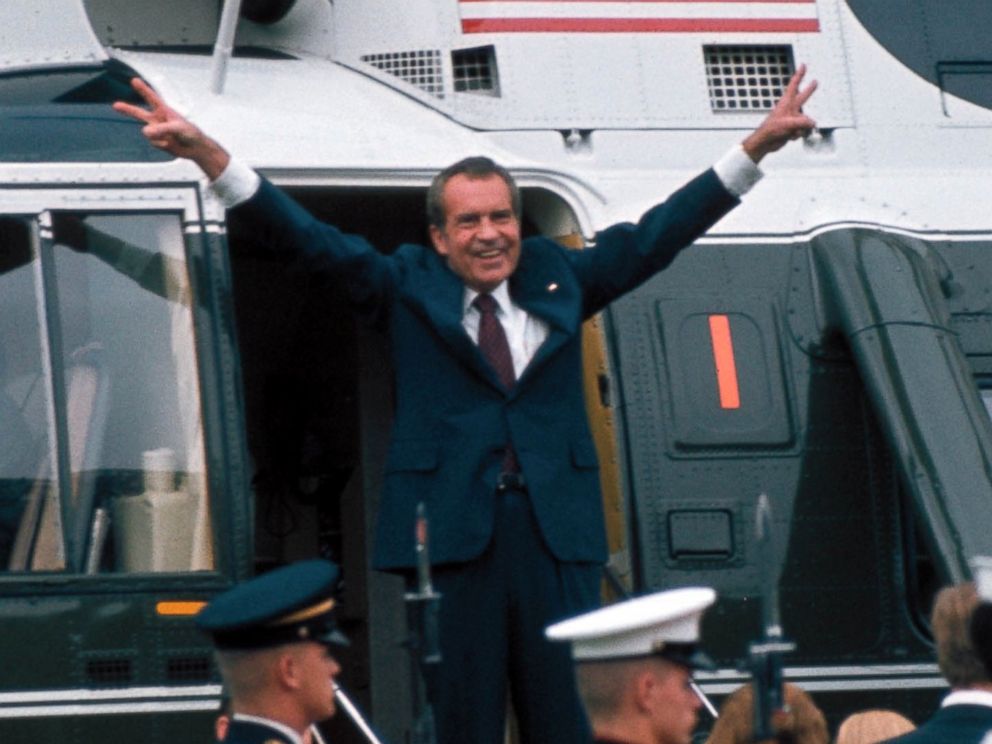
There was political corruption in the “golden age” she refers to, but Richard Nixon left office in 1974 in the midst of the Watergate scandal because fellow Republicans told him he would otherwise face impeachment.
Trump, on the other hand, survived two actual impeachments with most members of the Republican Party standing behind him. And most Republicans are still standing behind him, though it’s long been clear that he has no respect for law or this constitutional democracy.
But the “last golden age” my classmate refers to ended long before Trump came down the escalator to run for president.
What makes a golden age?
If we go back and reflect on the baby boom years — starting with the first birth year, 1946, and ending with the last year a boomer would have reached the age of majority, 1982 — here’s what speaks for that as a “golden age”:
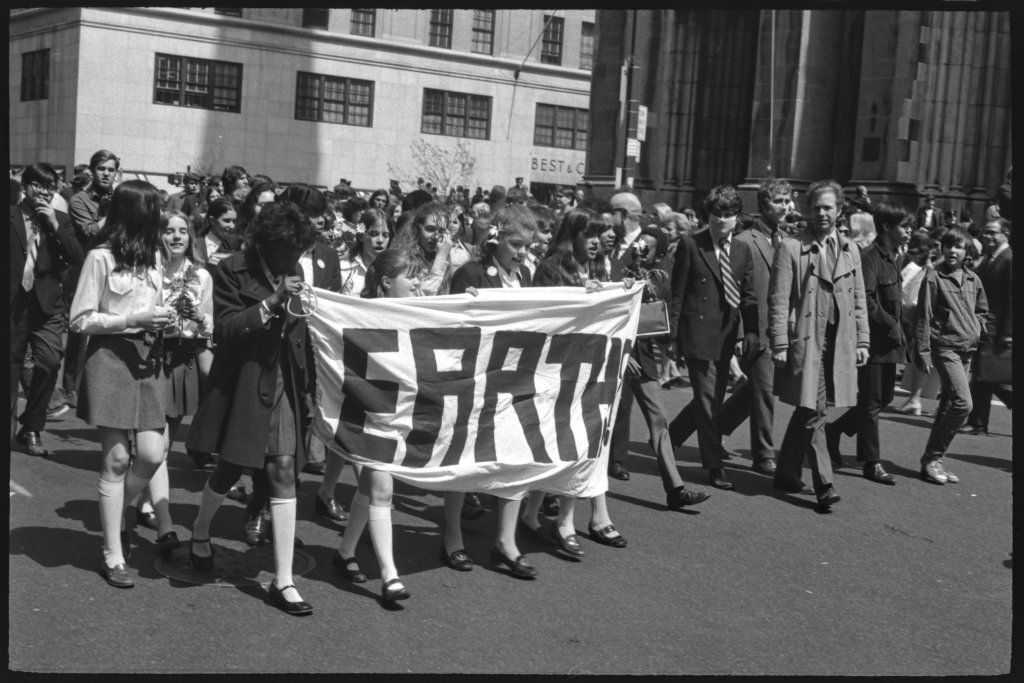
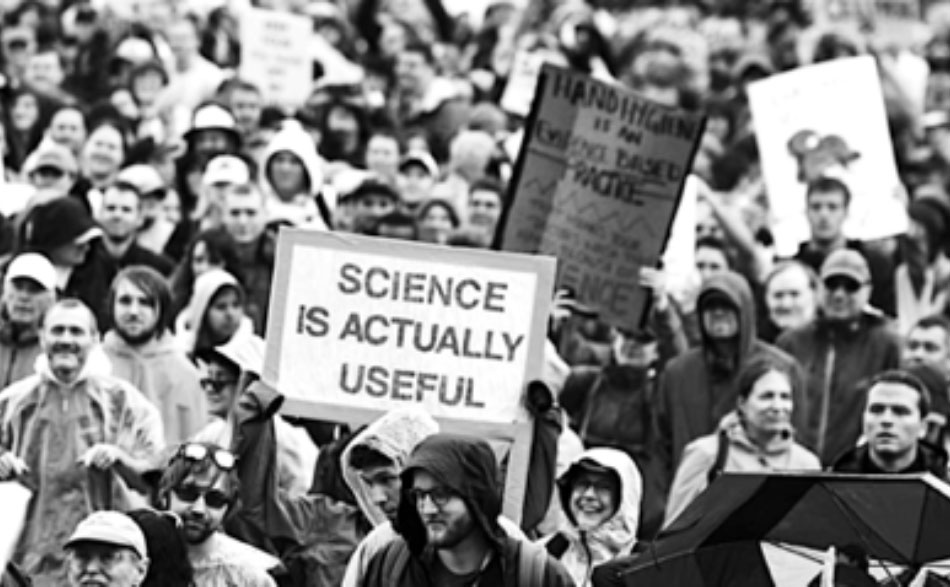
Major advances in science, including the eradication of polio; space exploration; the civil rights movement and passage of major legislation to advance the rights of minorities; a protest movement that brought an end to the Vietnam War; the first Earth Day and the birth of the modern environmental movement; great rock music; an era of superb American cinema; a long, slow decline in childhood poverty; the feminist movement and the flow, however slow, of women into careers historically dominated by men.
There’s probably more to say about this, but, being a journalist, I move quickly to the other side of the ledger. Each positive brings a negative to mind.

Not so golden
This “golden era” also brought us the horrors of the Vietnam War and all the bright, shining lies that came with it; the assassinations of JFK, MLK and RFK; at least two energy crises that should have pushed the nation toward independence from fossil fuels but failed to do so; the AIDS epidemic; Reaganomics and the 1980s, when the “common good” was supplanted by “greed is good.”
And, of course, de facto segregation and discrimination continued in many facets of life despite court rulings and despite what white Americans wanted to believe — that race relations had vastly improved with the passage of laws and the passing of time.
By the next decade, we had the rise of Newt Gingrich, Fox News and a new kind of vicious, super partisanship in Washington that marked the advent of the politically polarized country we have today. Also today, we have the threat of climate change — a phrase we never heard in the “last golden age” — plus an opioid epidemic that caused more than 100,000 overdose deaths last year, mass shootings and other gun tragedies every day, and … Trump.
We now have a Republican Party, representing millions of Americans, noted for conspiracy nuts, climate deniers, science haters, racial and ethnic bigots, and politicians who believe it’s in their interest to undercut American institutions, including the Department of Justice and the FBI, that the party once supported.
What happened?
That’s another story, more than I’ve time for in this post.
Comparative history
But when you look back across the years, comparing where we were then to where we are now, then the lack of American optimism found in national surveys is understandable. Older adults believe the country has taken a terrible turn for the worse, the younger generation thinks we have let them down, and they’re right.
We should have done more. We should have done better. We should never have let things get this bad in both the physical and political climate. We should have kept moving the country forward instead of back-sliding on so many fronts until half the country had retreated into the darkness with Trump.
It’s good that he is finally being brought to justice, but will that change anything? Will it mark a new beginning, an epiphany for those who have been caught up in the Trump cult? Is the dawn of another golden age ahead? It’s very hard to see that right now.
Yes, compared to where we are today — and with all the uncertainty about tomorrow — we probably did live through a “golden age.” But we can’t let it be the last one. We can’t give up the fight — not for the sake of our children and grandchildren and, truly, all life on Earth.
Discover more from Dan Rodricks
Subscribe to get the latest posts sent to your email.

 Dan Rodricks
Great column, as usual. As solidly Boomer myself (b. 1952) I certainly resonate with all of this. I often think back to the Nixon era for so many contradictions and echos today. On the one hand, the EPA was established then, in a time when there seemed more widespread commitment to cleaning up our environmental messes. On the other hand Tricky Dick did try to influence an election and assume dictatorial power. But of course he was denied that chance.
LikeLiked by 1 person
Good reflection, Dan. Also a boomer, I remember that I was 17 when I started to speak out about the injustices I saw. “Older adults believe the country has taken a terrible turn for the worse, the younger generation thinks we have let them down, and they’re right.” With the indignities and illnesses that accompany aging, I’m limited by comparison to when I was younger. Part of the solution might be that the youth explore more than one avenue of news & get off their cellphones. So many don’t even realize how manipulated they are.
LikeLiked by 1 person
The good old days………. There are many things better these days, and you touch on some of them.
Advances in medical care being among the best things to have happened over the prior years. The decrease in cigarette consumption. But, one of the bad things which you omitted was the designated hitter rule.
LikeLiked by 1 person
That was a good read Dan. Unlike other commenters, i am not a baby boomer, i’m generation Z. You make a great point, we definitely hit a cultural golden age in that period; every facet of life was changing so radically.
I do think we are currently in a technological golden age or something, it’s really too stormy to see. If the usa can regulate social media companies, it could be one the best things ever made for learning. If we keep trusting these companies to self police, it’s going to destroy so much.
I don’t really understand where this lack of accountability comes from in the government; the golden age was so quick to respond to issues related to culture. Even smaller things like payola, in connection to rock and roll on the radio were nipped in the butt in 3 years, with rock and roll being dead off the air till the European invasion.
Anyways, i appreciate the blog post.
– Gabe
LikeLiked by 1 person
Golden age? wealth disparity, toxic job dynamics, climate change, the housing collapse, the great recession, political polarization, and institutional disengagement (just to start the list) which were all caused by boomers, that isn’t a golden age its a failed age.
LikeLike