
My column on Friday played off of a politician’s public expression of a desire to “move on” from a series of financial difficulties and misleading public statements to continue his career in office. I speak of Nick Mosby, the president of the Baltimore City Council. He’s seeking re-election despite personal problems that raise serious questions about his honesty and competence. Of course, he’s eager to “move on.” As I said in the column: “Moving on” is a generally good idea, but not in all circumstances. The person who says, “Let’s move on,” before there’s been a full accounting of damage, wants to run right past the wreckage. “Moving on,” in that sense, carries an element of denial with it.
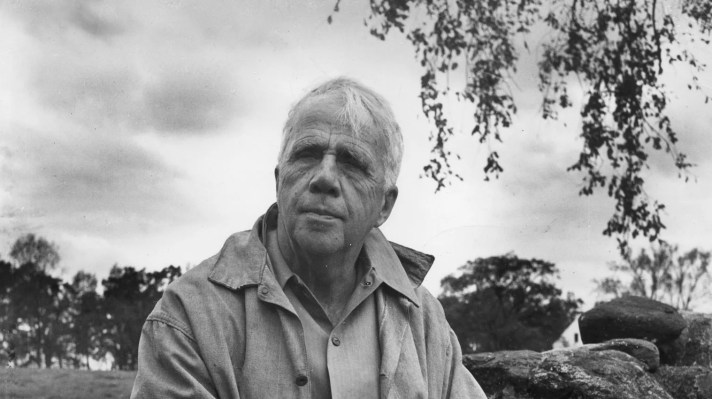
In my winter readings of the works of Robert Frost, I came across Home Burial, a poem that reads like a short story about a couple that lost a child. The wife is in a state of prolonged grief while the husband has “moved on” to his “everyday concerns,” and this foments resentment and anger, and most likely brings about the collapse of their marriage. It’s another remarkable Frost poem, but from the dark forest of human experience.
Here is a link to Home Burial on the Poetry Foundation website.
Discover more from Dan Rodricks
Subscribe to get the latest posts sent to your email.

 Dan Rodricks
I could see you in my minds eye the story that was being played out. So sad, so profound.
Sent from the all new AOL app for iOS
LikeLiked by 1 person
Wow ! I never read that Frost poem. Thank you.
As for old, there is old and good, and old and evil. We know who they are..
Melody Karbley
LikeLiked by 1 person
<
div dir=”ltr”>I saw your play last night, and it was as enjoyab
LikeLiked by 1 person