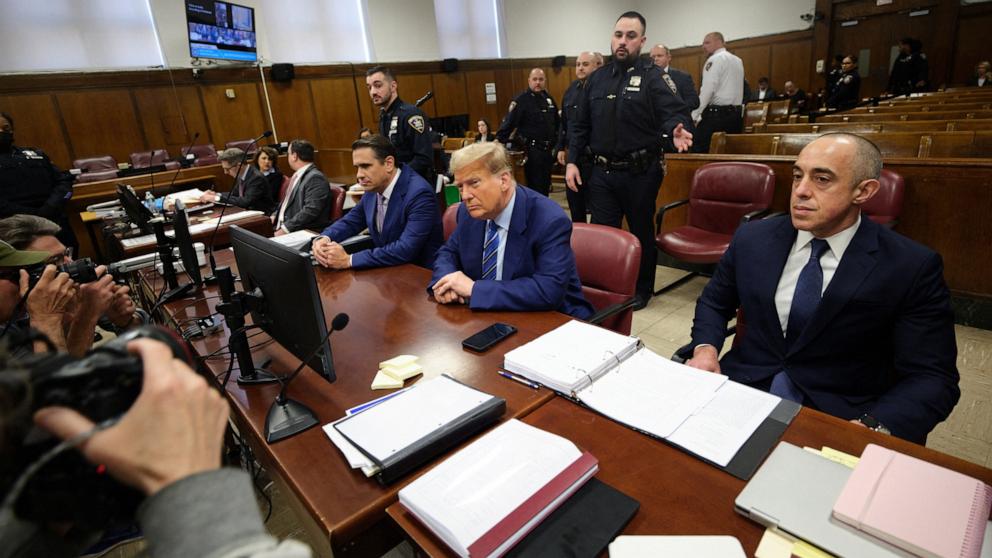
My Sun column today notes the similarities between the New York criminal case against Trump and the many other cases that have come and gone in courts across the land with business owners, managers or employees caught in schemes to defraud. Trump is accused of falsifying — or causing to be falsified — the records of his company to coverup a hush money payment to Stormy Daniels, the porn star with whom he reportedly had an affair. But, as I state in the column, he’s not on trial for having an affair, he’s accused of lying in business records about the money used to silence Daniels. It’s a documents case against a business owner. It’s the type of case that I see all the time coming through state and federal courts in Maryland. It’s a common form of criminality.
The root is corporate or personal corruption — the kind that infests certain people in positions that allow them to conduct scams. Forty-six years after covering my first fraud trial in federal court in Baltimore, I remain fascinated by the willingness of men and women to steal money from their employers, their friends, their customers, the government and their business partners. I understand people being desperate for cash to pay for what they need in life, or to pay for their vices – gambling and drugs. I don’t understand the kind of everyday theft that occurs among people doing business together. Though I acknowledge its existence, greed and the instinct to act on greedy impulses still fascinate and puzzle me.

Kickback scams, like the one I described in an earlier column – involving the purchase of steel and plastic drums for a Maryland company that produces and sells essential oils – can go on for years; they violate not only the federal laws against fraud but they violate trusts that develop between employer and employee. They also come, in the digital and age, with greater risks of getting caught.
I think journalist David Plotz, reflecting on some awful thing that happened in the Trump White House years, had it right when he said: “I feel like the main thing that has happened in the world in the last couple of years is the rise of shamelessness. Social opprobrium is much more powerful than laws most of the time. [The reason] we don’t do things is not because there’s a law against it, but because we’d be embarrassed or ashamed. … If [shame] stops being a tool, if people refuse to feel shame, either because they know their team will support them, or because they are narcissists, it really undermines the whole fabric of society in ways I didn’t realize until we got to this place.”
Discover more from Dan Rodricks
Subscribe to get the latest posts sent to your email.

 Dan Rodricks
The thing that fascinates me the most about stuff like this is how people engage in criminal activity together. I can sort of imagine one scheming person, working alone. But when you get two working together—they’re just totally out there with their bad selves. As you said, no shame. No hiding it from another person. Acknowledging with each other they’re involved in a bad plan to screw people over.
LikeLiked by 1 person
Interesting idea. I have always felt much shame if I did something wrong or even if I thought I did something wrong and it was really another persons fault. I tend to think it’s more lack of integrity, honesty, courage. It takes a lot of courage to do the right thing. Thanks. Kate Phelan
LikeLike