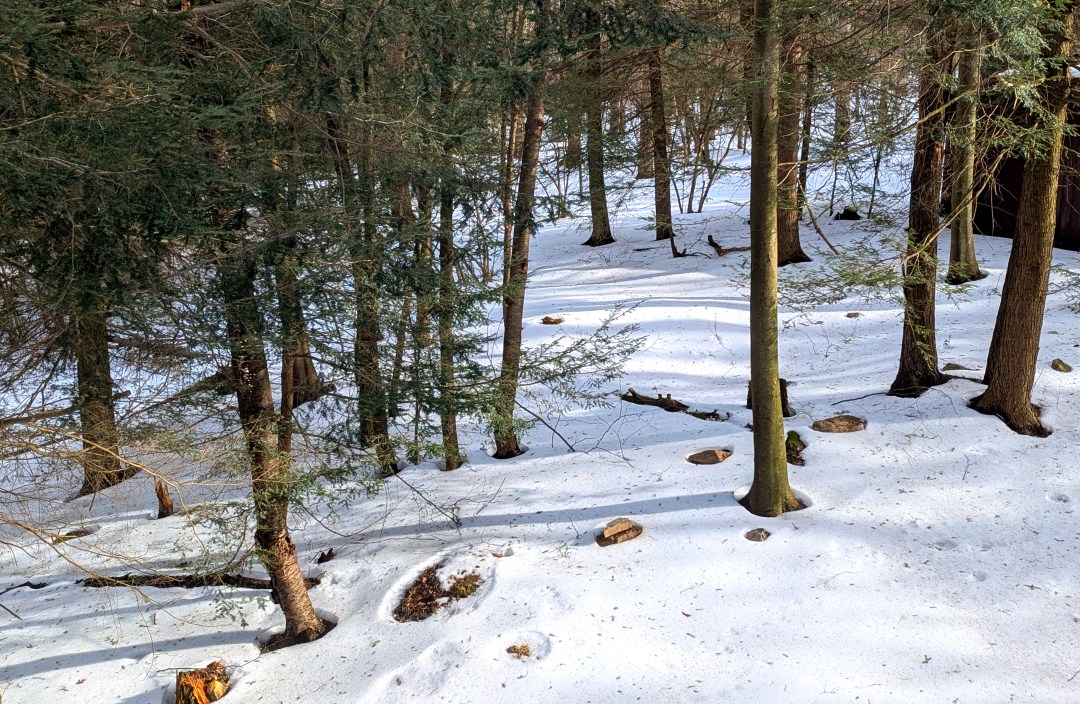
I asked a scientist about the value of the long, slow snow melt we’re experiencing. Common sense tells you there’s a value to it — reduced risk of flooding for one thing, gradual replenishment of moisture in the soil for another — but, while common sense might be an ingredient of the scientific process, it does not by itself constitute science.
So I asked an actual scientist about the snow melt because, for the work I do, informed opinion has always been my preference.
Before the nation’s nuts started bashing established science, denying climate change and rejecting vaccination against communicable diseases, people in my profession looked for men and women who, through hard work and discipline, had achieved standing in their respective fields — medicine, chemistry, engineering, archeology, anthropology, etc.
The best part of hosting radio shows and a podcast were the hundreds of opportunities I had to interview experts — that is, people who knew what they were talking about.
So, on the snow question, I looked for a hydrologist. I found Adel Shirmohammadi, professor of water resources and environmental engineering in the Department of Environmental Science and Technology at the University of Maryland. He seemed pleased to get the question.
“Yes,” Shirmohammadi said, “slow melting is a good thing. It allows the melted water to infiltrate into the soil as opposed to the fast melt that causes flooding, overwhelms storm drains, causes property damage, erosion of topsoil and contamination of water bodies that is not good for aquatic life.”
To support his point — so scientific of him! — Shirmohammadi cited the aftermath of a heavy snowstorm that occurred in the Baltimore-Washington area over two days in January 1996.
“This storm dumped about 18 inches of snow, but warm temperatures of 50 and 60 degrees followed, resulting in flooding and overwhelmed storm drains in some areas, especially in low areas near the Potomac River.”
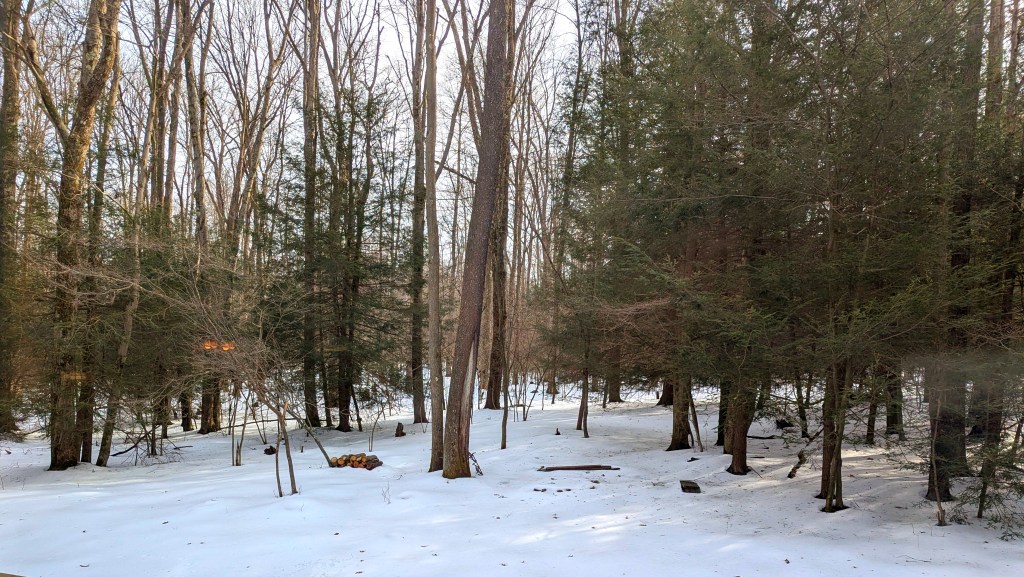
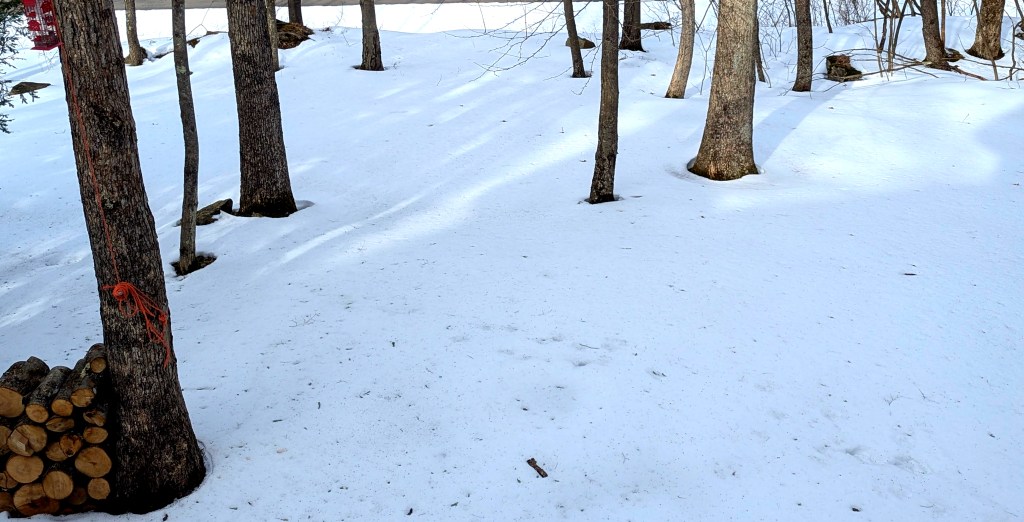
Here in the East, the long, slow melt we’re experiencing this winter seems natural and perfect — snow on the ground for a month or more, cloaking and calming the countryside, and slowly recharging the aquifers, the rivers and reservoirs.
Discover more from Dan Rodricks
Subscribe to get the latest posts sent to your email.

 Dan Rodricks
Beautiful. Thank you
Sent from Yahoo Mail for iPhone
LikeLike